
Three days in Ironbridge
Ironbridge is a scenic UNESCO World Heritage village in Shropshire, England, famed as the birthplace of the Industrial Revolution. This location was somewhere I had wanted to revisit for a very long time, and being a UNESCO heritage site gives it extra points in my interest.
My first visit had been when I was about 15 years old. My high school history teacher and his wife were going for the day, and me and my best friend somehow ended up going with them. It was a bizarre situation when looked at in modern terms. My teacher was a lovely man, and his behaviour was perfectly appropriate that day. I don’t think they could have kids, or maybe they chose not to, but they quite liked kids, especially ones that liked history. Nevertheless, I have to admit that I would never have sent my own children on this visit. This was a time before the Criminal Records Bureau (CRB), which was established in 2002 to allow schools to run criminal record checks on their teachers. People trusted teachers back then without question. My parents would have had the opinion that there was no problem with this arrangement, and indeed times must have been very different. At around the same time, every week, they let the father of the family I babysat for drive me home late on Saturday night after he had been in the pub for three hours! My kids wouldn’t have been doing that either!
Decades later, my memories of this trip are very hazy, but Living History Museums, like Blists Hill, one of the venues within the town, are one of my most favourite things to do. Add this the numerous other historical museums and landmarks within a relatively small area and its location being only about 2.5 hours drive away from where I live, it was time for another visit.
The Iron Bridge
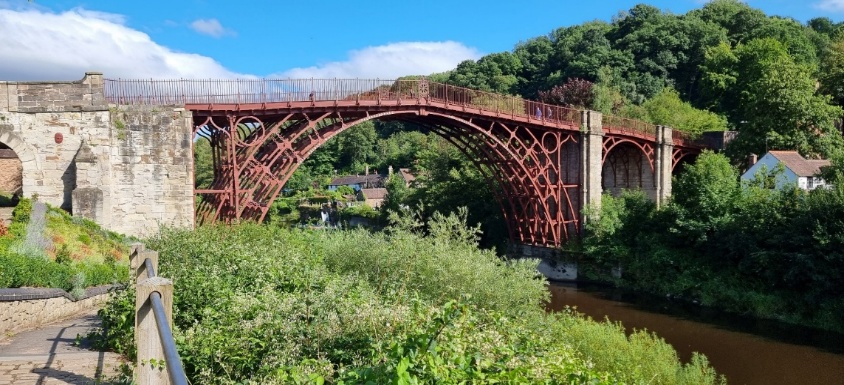
The defining landmark of the town of Ironbridge is the historic Iron Bridge built by Abraham Darby III in 1779. This structure, erected across the River Severn by, was the first major bridge in the world to be made of cast iron. Abraham Darby III’s grandfather, Abraham Darby I, had been the first British iron master to successfully smelt iron ore with coke in 1708. He acquired premises at Coalbrookdale, on the Severn river, close to supplies of low-sulphur coal. By 1709 he was producing marketable iron in a coke-fired furnace. And so an empire was established.
The Logistics
We were visiting Ironbridge for three days and I was determined to see as much as possible whilst giving a full day to Blist Hill. It was going to be a punishing schedule. I calculated that the Ironbridge Gorge Museum Pass would be the best value for money and at that point could even trade in my Tesco vouchers for the privilege. However, in 2026, Ironbridge Gorge Museums has been taken over by The National Trust, and the passes are no longer available. In addition, some of the venues I visited are not presently open to the public, though I believe that this is likely to change in the near future and so I shall review them anyway. I advise you to visit the following links to assess the present situation regarding what you can visit and with regard to current pricing. Please check opening hours and be aware that you may need to book some attractions.
This is some information about the take-over.
Accessibility
This visit was completed six weeks after my second hip replacement. For some people that would be long enough after surgery for a new lease of life to have kicked in. I was struggling a lot and using a combination of crutches and my wheelchair. The bridge itself is suitable for a wheelchair though with the steep slopes in the town, a very strong, capable pusher will be needed. Many of the museums had good accessibility. I will highlight these individually from my personal perspective but please look at the latest advice on the National Trust Website to decide for your individual needs. It feels like the National Trust will be working hard to ensure good accessibility, and hopefully by 2027 will be up to speed with all lifts working for example. It is all explained on the website.
In conclusion, it is worth visiting if you have mobility issues, though without a wheelchair, you will have to pick and choose your venues. With a wheelchair, you will need a strong assistant.
A three day+ itinerary
| Timings | Venue Groupings |
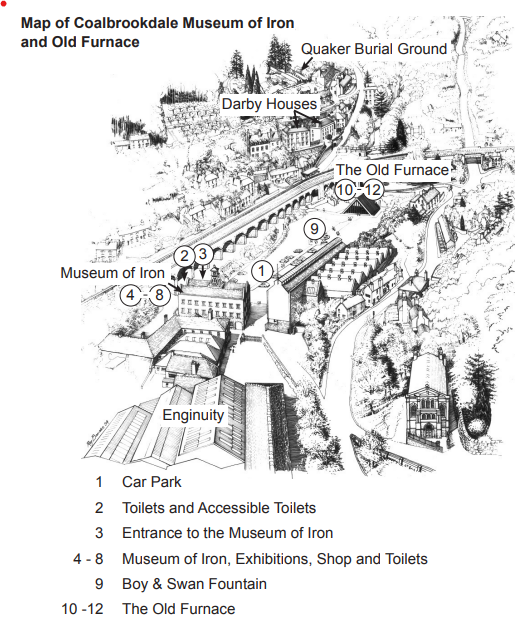
| 1 day (4.5 hours + | Coalbrookdale Museum of Iron The Old Furnace Darby House Enginuity |
| 1 day (3-5 hours) | Blists Hill |
| Half day (1.5 hours x2) | Coalport China Museum Jackfield Tile Museum |
| Half day | Broseley Pipe works- (1 hour) Ironbridge Toll house- (30minutes) Just above the boathouse. Ironbridge Town |
| Additional day | Slow down this itinerary and spend more time enjoying Ironbridge Town. A day trip somewhere else. Suggestions at the bottom of this post. |
The Museums
Blists Hill
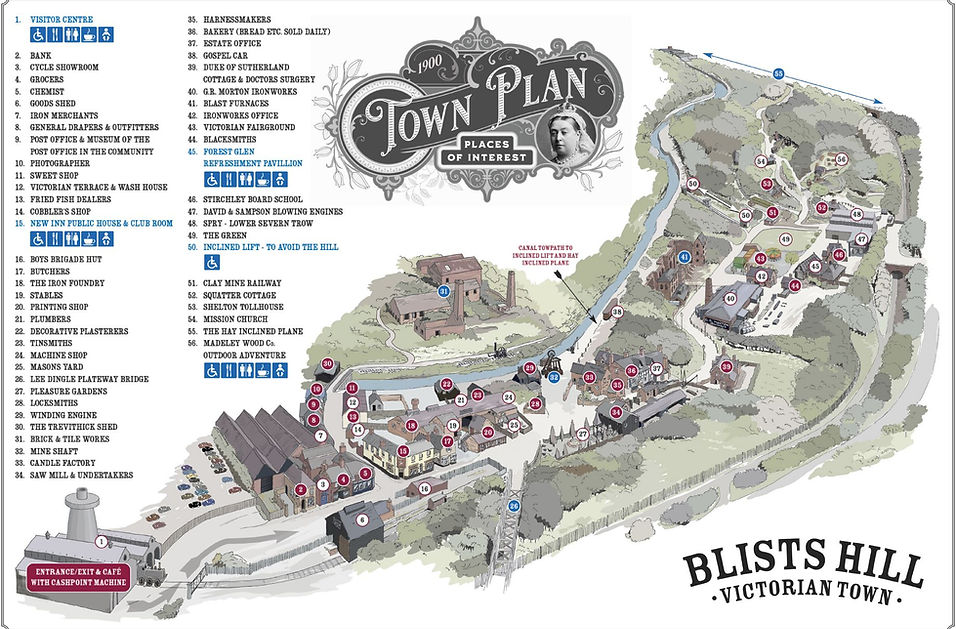
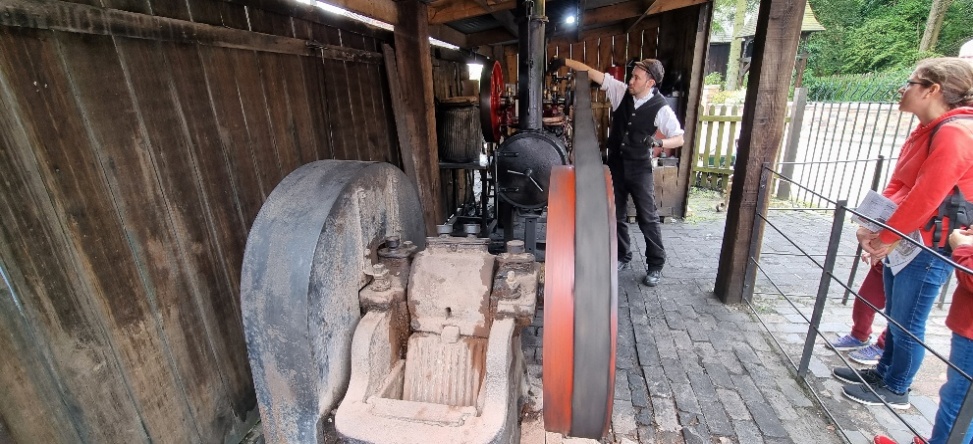
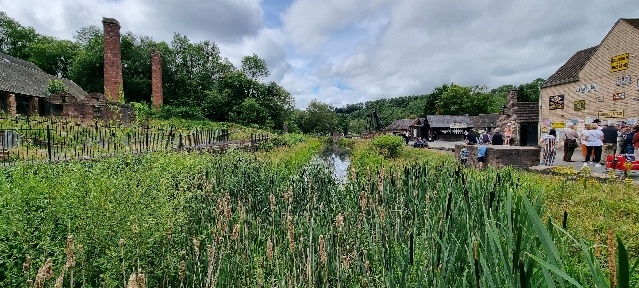
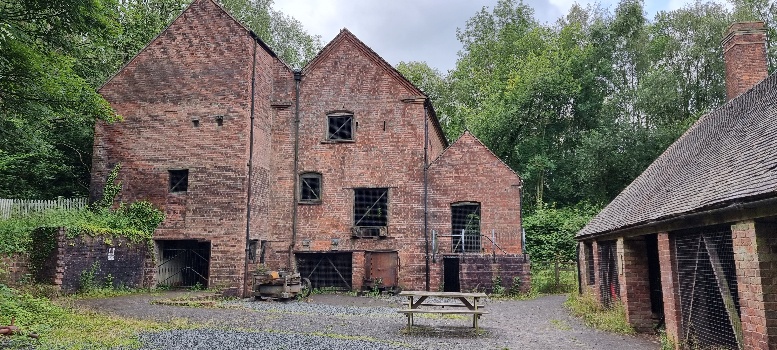
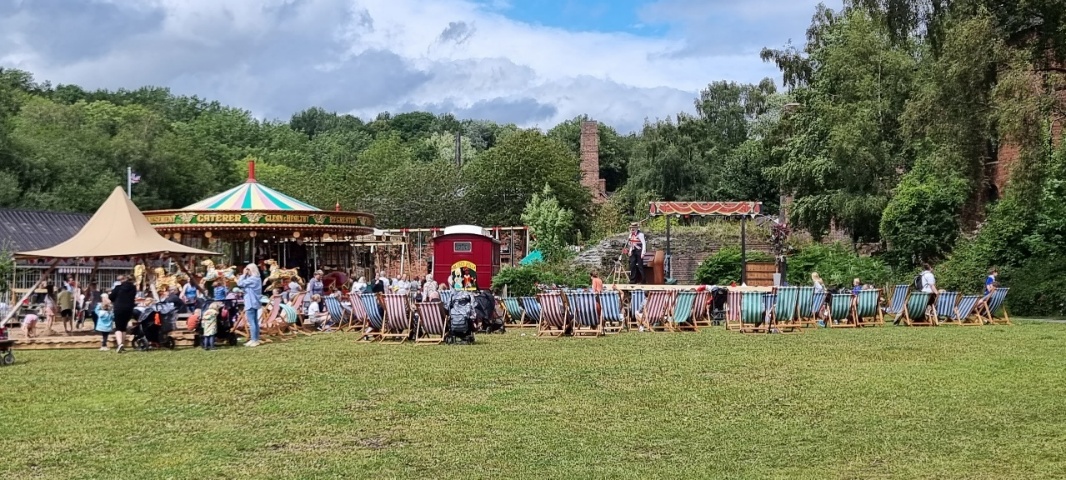
If you have been to Living History Museums like Beamish or The Black Country Museum, you will know what to expect and this venue does not disappoint. It is a recreated Victorian Town complete with shops, houses, workshops, factories, services, pubs and indeed any aspect of Victorian life in an area devoted to iron.
I love buildings, but particularly when the building depicts its former life. I have no visual imagination. I cannot imagine how an empty shell used to look. History needs to be alive for me, it needs to slap me in the face and tell me a story that I can see easily. An object in a glass case, is just an object in a glass case and doesn’t interest me.
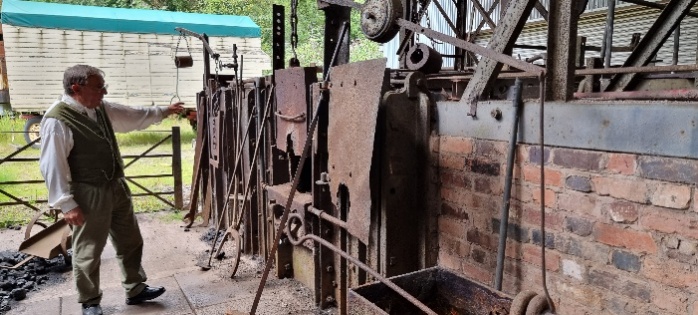
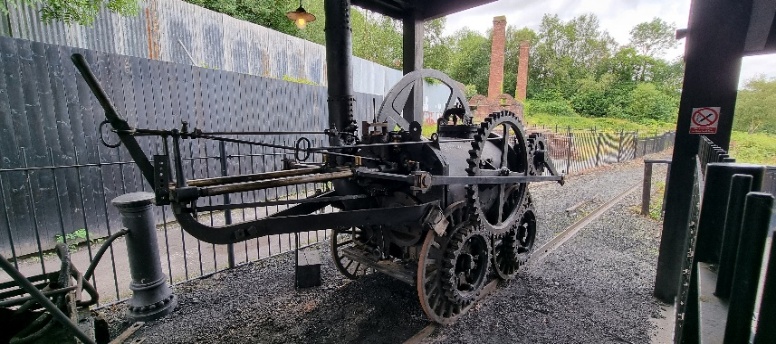
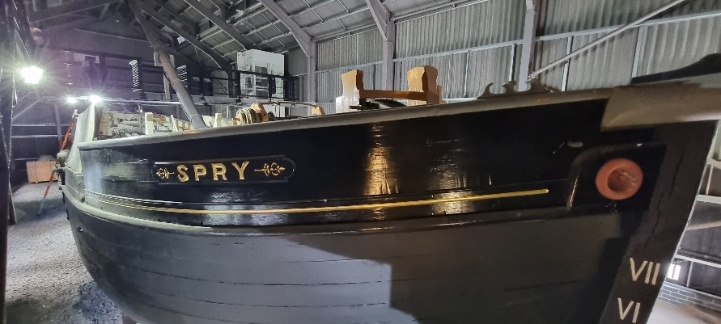
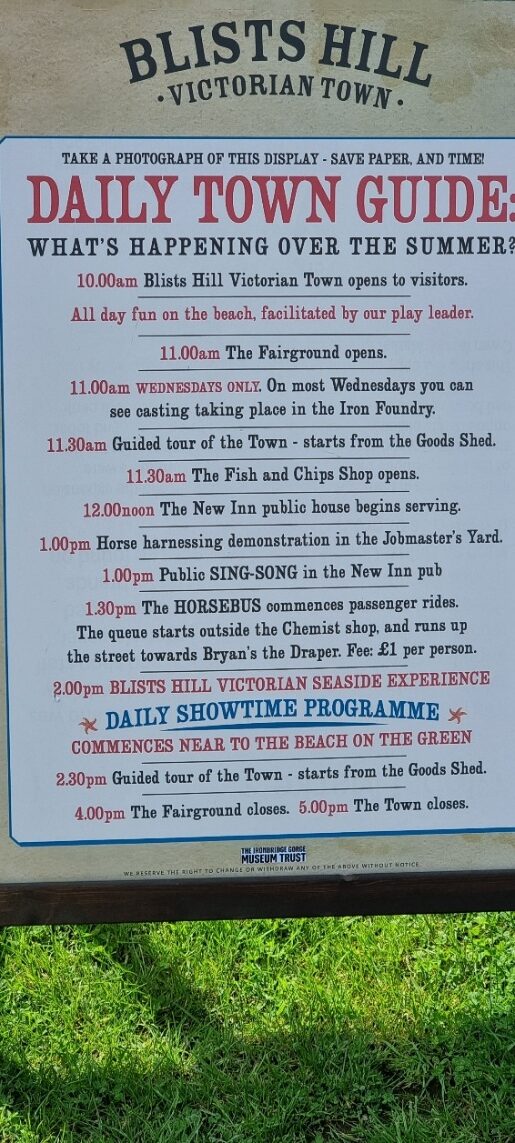
Blists Hill has the usual authentic high street of shops and cottages to visit- the post office, the pharmacy, the grocers, etc. The workshops are busy making a variety of things like candles and iron goods in the authentic way powered by hand or by steam. The history of iron making is fully embraced. There are link to this everywhere. Regular tours and talks give a fascinating insight into the lives of the workers and the machinery they use. I suggest you join some of these, and there is an extensive timetable of Victorian entertainments. I wish I lived near a Living History Museum. I guarantee that I would be working there.
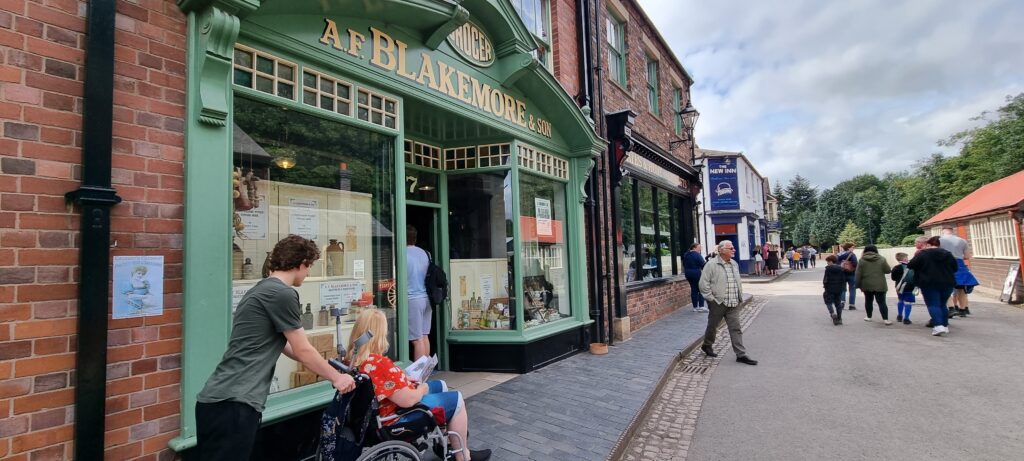
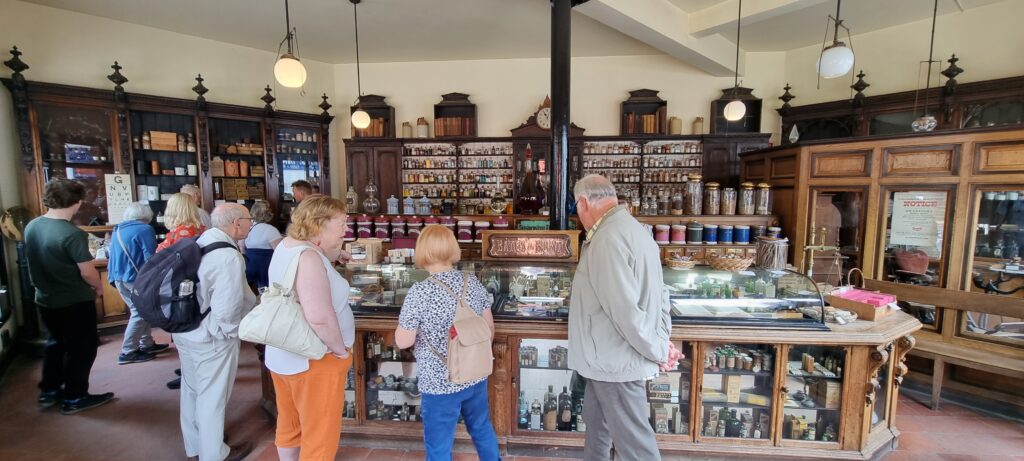
I visited Blists Hill in my wheelchair and we coped with much of it. It is on a hill, though you can mostly travel downwards. Some areas were cobbled, but pavements were smooth. There were many kerbs and doorways to negotiate, but people generously gave us room to manoeuvre. There are places with picnic benches but not benches everywhere so I was glad that I had my chair with me. The funicular, operated by you pushing a button, from the bottom of the site to the top, was most welcomed by my wheelchair pusher who had had enough by the end of the day. There was no queue for this.
My highlights of the day
- A tour we took of the furnace area. We learnt about how cast iron is smelted, about the furnaces which operated at ridiculous temperatures, and about the TV and Film companies that have used the space. Some of the props they used look very real.
- The candle makers- I could stand there all day watching that lady make the candles. Mesmerising.
- The shire horses- beautiful creatures.
- The fish and chips- get there early or be prepared for a queue.
Low point of the day- being bitten by a wasp near the stables!
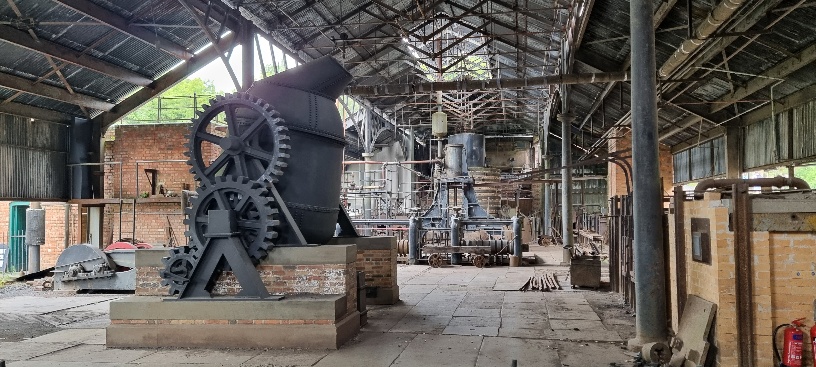
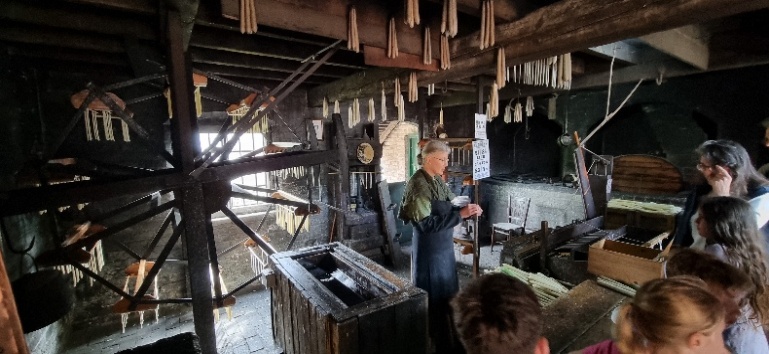
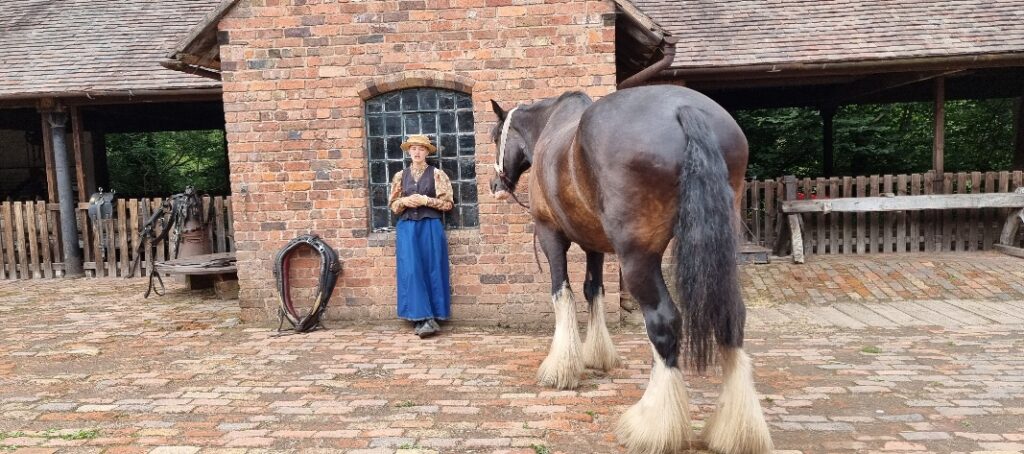
Darby Houses
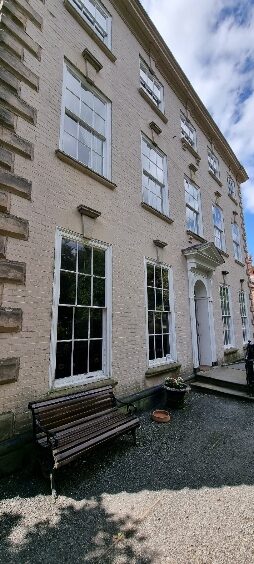
Not essential for a visit to Ironbridge but if they are included in your ticket, a visit doesn’t take long. They are close to the Coalbrookdale Museum. Rosehill House, built in 1738, and Dale House, built in 1717 are the former homes to the Darby family. Imagine a town house from the time of Jane Austen and you have got the image. It gives you chance to get a glimpse of an Industrialist’s life and it is something a bit different that the other site in the area.
There are many steps here. Not very accessible.
Coalport China Museum
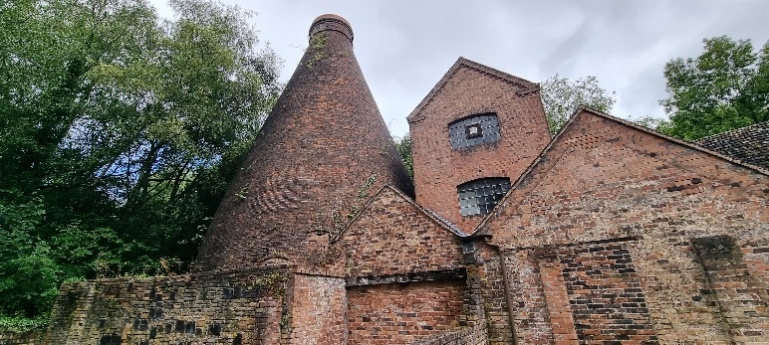
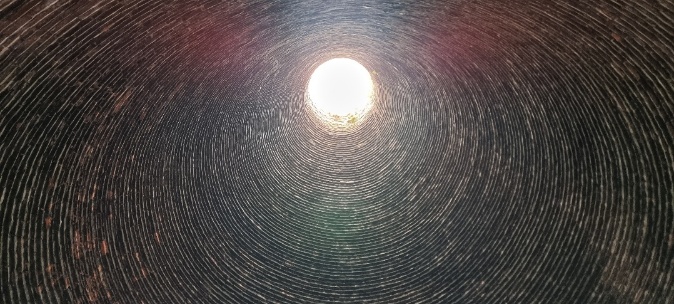
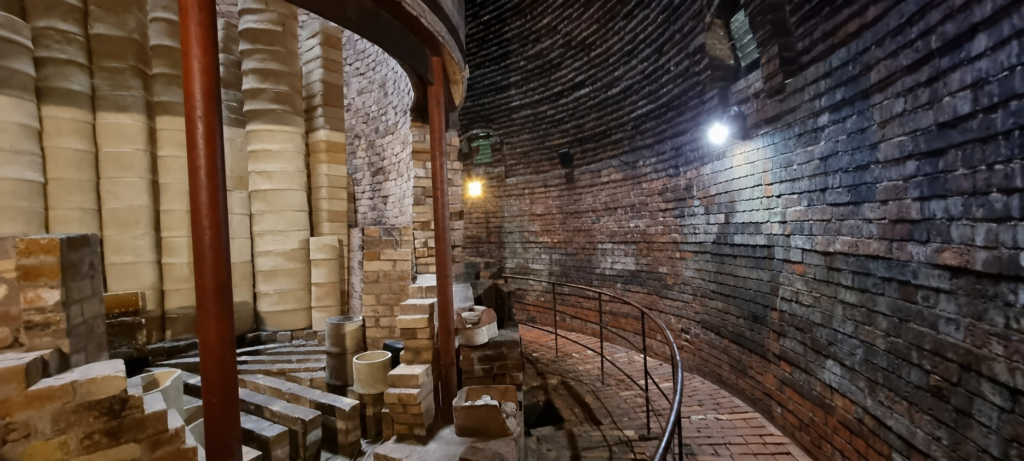
An hour was enough here but it was quite interesting. The quirky buildings are very atmospheric to visit, particularly the cone shaped kiln. There were traditional techniques to see in the riverside workshops including bookable kids activities, if that interests you.
I didn’t take the wheel chair here. The were some accessibility features like a lift and accessible toilets, but some areas would have been difficult, in particular, the fact that the yard is cobbled.
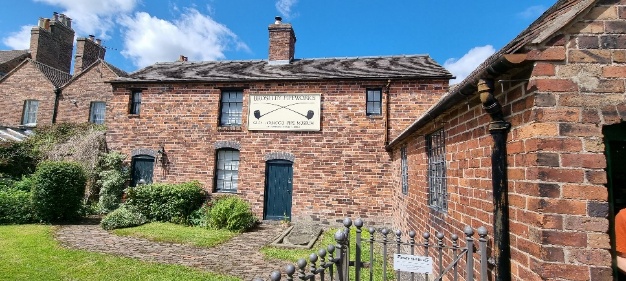
Broseley Pipe Works
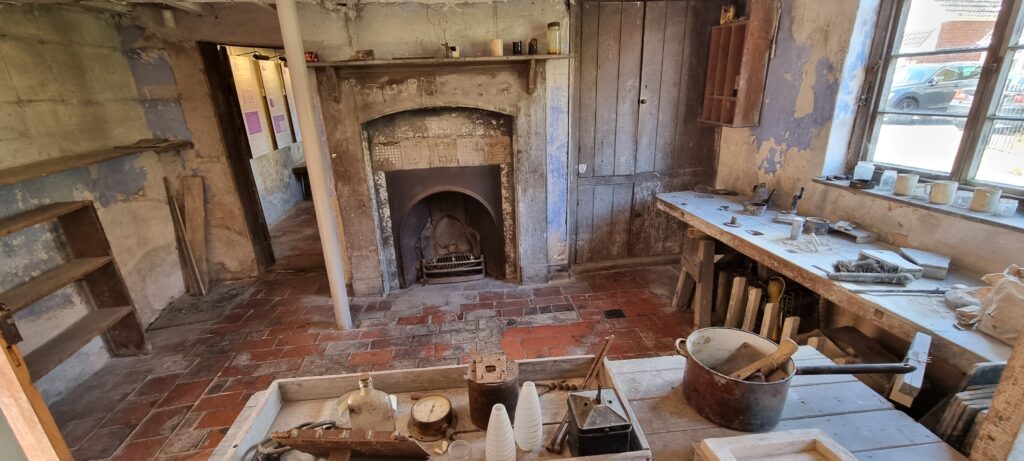
Broseley Pipe Works is the type of place I absolutely love. A factory that looks like the people moved out yesterday, not decades ago in 1957. Everything is left as if they were coming back tomorrow, but nothing modern. It was slightly eerie but fascinating. Broseley was the centre of clay tobacco pipe manufacturing and pipes made here were celebrated as being the very best.
It needed to be booked to visit and opening times were more limited than other venues.
I would not have been able to visit this place in a wheelchair- cobbles, stairs, steps. It is relatively small for a quick visit for people who can be on their feet for a little while. I did it first thing in the morning before I had done other walking and used my crutches to make it round.
Jackfield Tile Museum
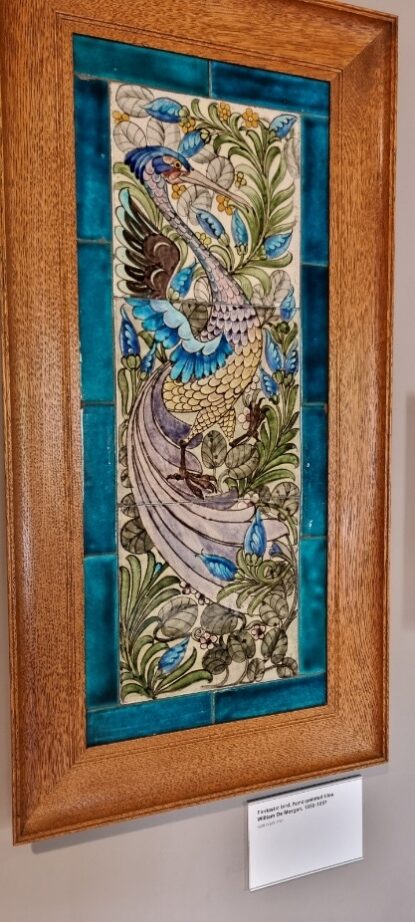
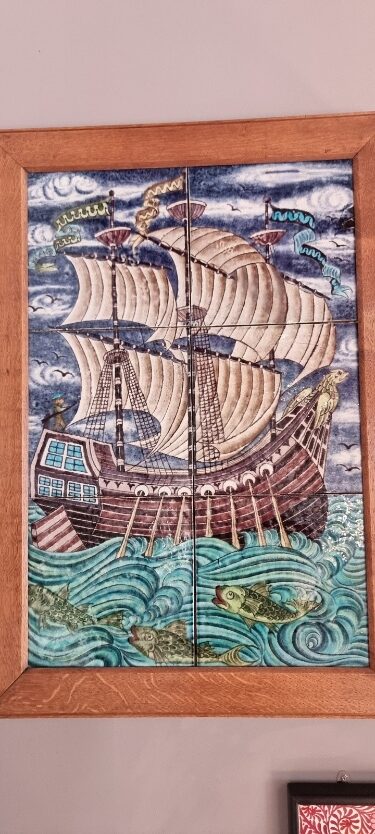
Jackfield was once at the very heart of British tile production and here you can see why.
This museum is full of ceramic tiles of an almost unlimited variety. It feels like an art gallery but with displays of the tiles in their intended settings, for example pub, train station subway, homes, church and even a toilet. I am not a fan of art type galleries, but believe that there is always something for everyone. It seems that I am a fan of William De Morgan. Such beautiful colours. There is an area for artists to create and sell their work if that interests you.
This museum was fully accessible inside. I think the car park may have been tricky for limited mobility, but drop off outside the front door would have been possible.
Enginuity
Targeted towards primary age children, my teens do like this sort of attraction- the interactive Science museum. They were excited to go and are quite happy to intimidate the mass of smaller children to move out of their way. Tt did not disappoint for them. They particularly enjoyed the water activity where water is transferred from one area to another whilst children operate dams and prevent foods. The younger kids didn’t get a look in with my youths in action. Most families could happily spend a couple of hours here. It was a little run down when we went with a number of out of order labels and, as many people comment in reviews, the water area smelt more like a stagnant pond. I am sure the National Trust will look to renovate if they decide to reopen this attraction. We shall have to wait and see.
I was in my wheelchair for this visit and could access most of it- enough for me anyway.
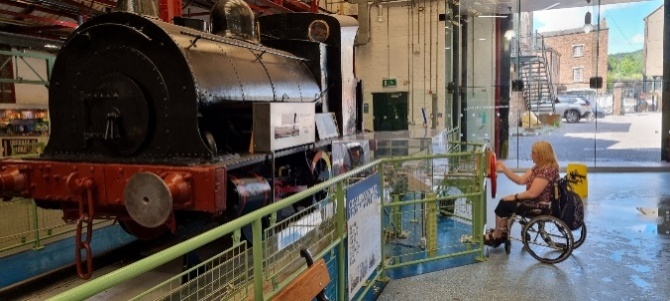
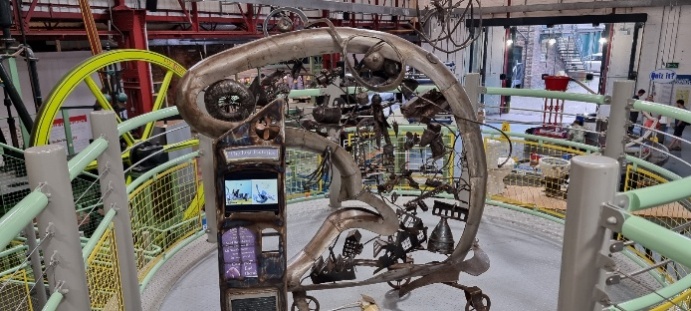
Coalbrookdale Museum of Iron
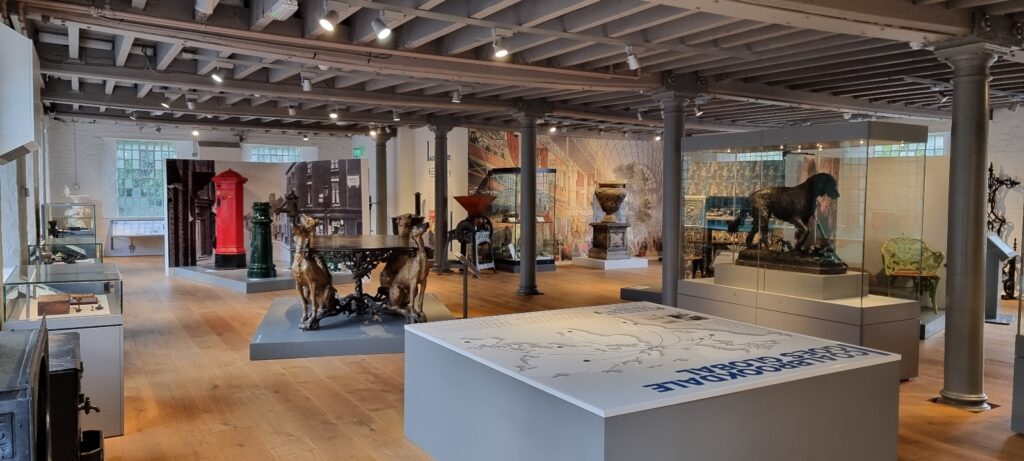
An eclectic mix of ironwork and galleries with other displays. Another one of those places where you find the pieces you like within the mass of options. Lots to look at, though not really living history enough for me.
It was a dream for wheelchairs with lifts and smooth floors. I could easily propel myself in this venue which gave my wheelchair assistant a much needed break.
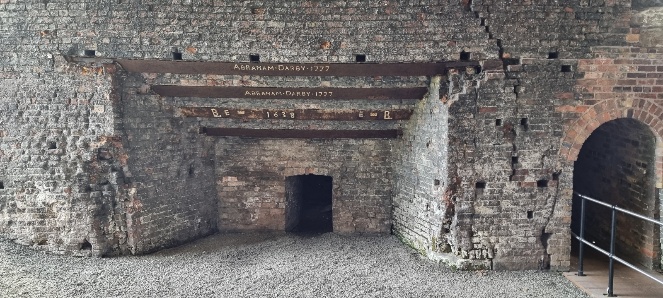
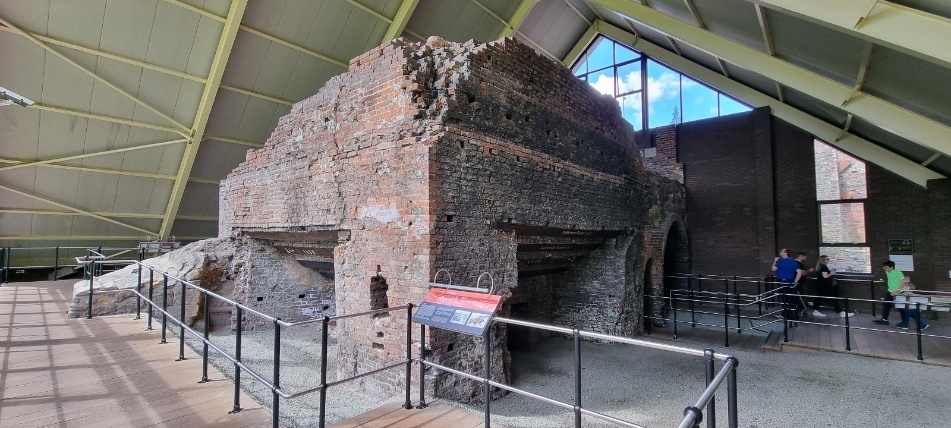
For the Old Furnace section, it was wheelchair accessible, but I couldn’t have done it alone. Too many ramps both to get there and inside. But this furnace was part of my O Level history syllabus, so I had to see it.
The Toll House
A tiny venue, on one end of the iron bridge, including a small shop and some information boards. Not enthralling for me, except for the information about the link between Ironbridge and elephants!
In 1932, a circus elephant marched across the famous Iron Bridge in Shropshire as a PR stunt for Chapman’s Zoo-Circus to demonstrate the bridge’s incredible structural strength. The legend of the Iron Bridge elephant remains a local icon and inspired the branding for The Crossing – Elephant & Co., a popular local Mexican restaurant and cocktail bar located on the High Street.
The ground floor of the museum is accessible to wheelchairs. The upstairs is not, but this small venue would not accommodate any sort of lift.
Museum of the Gorge
This museum was closed during my visit.
Tar Tunnel
We didn’t book this as we ran out of time and I didn’t think it would be accessible for me. Since my visit you can no longer go inside the tunnel, only visit from the entrance.
Accommodation
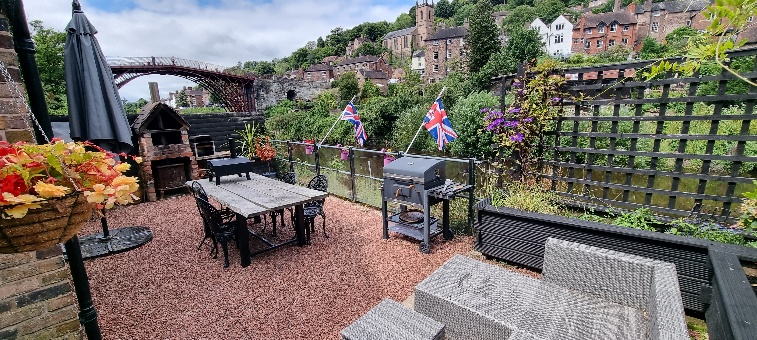
We stayed at the Old Boathouse down by the river. I cannot either recommend or dismiss this property. It was very basic and lacked many amenities like a proper kitchen, but it was cheap and had an amazing view of the river and the bridge which made it very special in my eyes. I cannot find a place to book this property at the minute. Nevertheless, there are many other options within the town. I am sure you will find something suitable for your need.
Additional Days in Shropshire
To break your journey, or for a day trip on a longer visit to Ironbridge, there are many options of fascinating places to visit nearby. I will start with the ones I actually did.
Much Wenlock
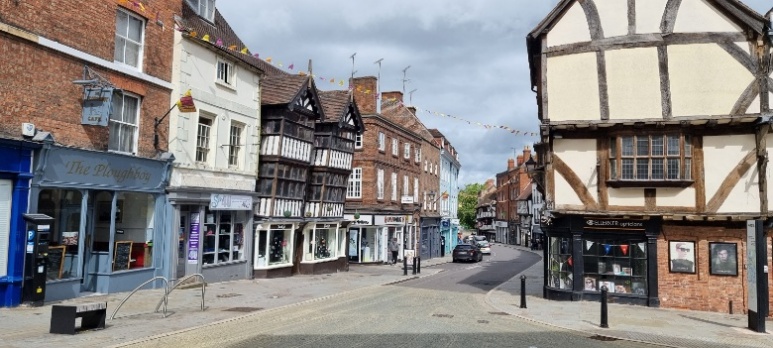
Due to the fact that the accommodation we had been using only had limited availability, we actually stayed for our final night in Much Wenlock before travelling home. Only 15 minutes away from Ironbridge, this historic market town in Shropshire, England is renowned as the birthplace of the modern Olympic Games. It features medieval timber-framed buildings, independent shops, and key heritage sites like the 12th Century Wenlock Priory. It was a quick visit but a delight to explore the town as the sun began to set. We stayed in the Talbot Inn in the centre of town on a Bed and Breakfast basis and also ate our evening meal there. It was good value for the price we paid, and I would stay there again.
Shrewsbury- Town Walls, Cathedral, Museum, Prison
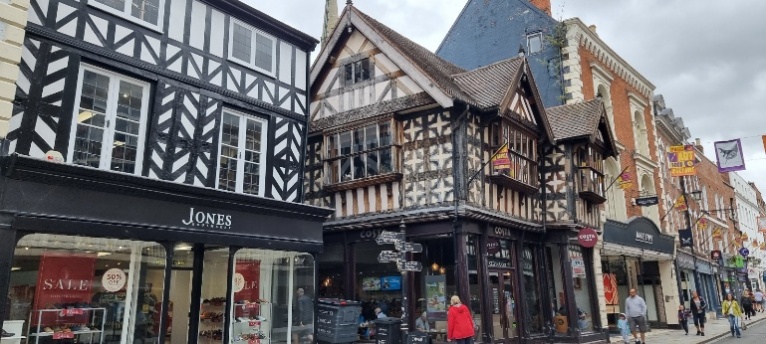
Only half an hour from Ironbridge, and in a vaguely homewards direction, Shrewsbury was my pick for a stop off on the way home.
Shrewsbury is a picturesque medieval market town in Shropshire, England. Surrounded by the River Severn, it is renowned for its largely undisturbed medieval street plan, 660+ listed buildings, independent shops, and for being the birthplace of Charles Darwin. The town is very pretty with half-timbered buildings, and an old market hall build in 1596.
It was a relatively quick visit to the centre, though we did make it to the abbey and the castle grounds. Built in 1074, the red sandstone castle houses the Shropshire Regimental Museum.
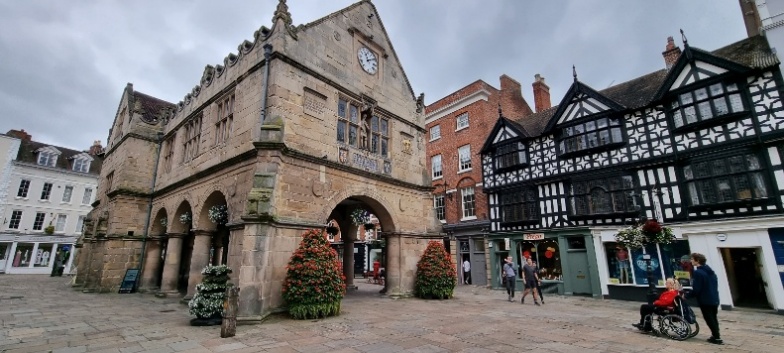
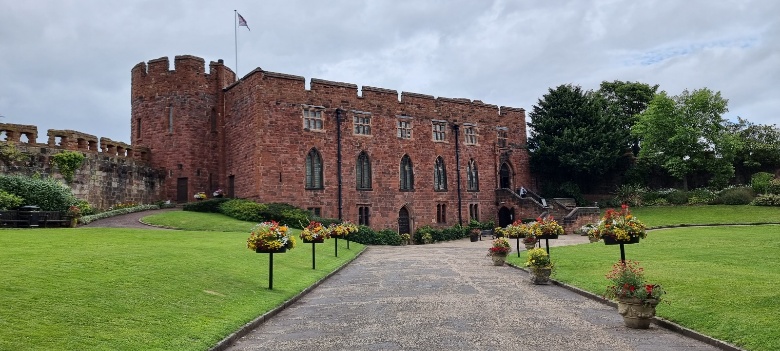
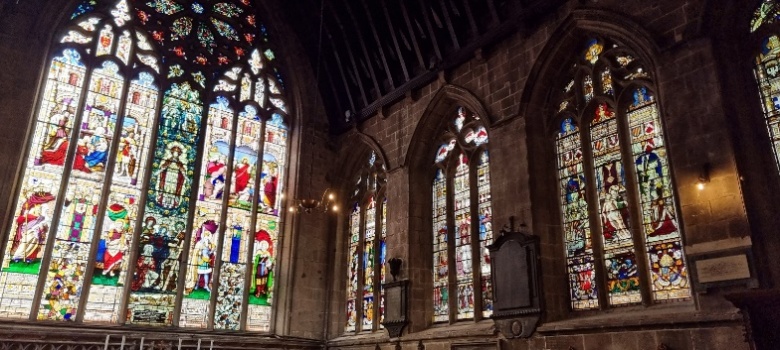
Shrewsbury is definitely worth a longer visit. However, with time limited, I had another destination in mind for the major part of the time. Another bucket list item- Shrewsbury Prison.
Shrewsbury Prison
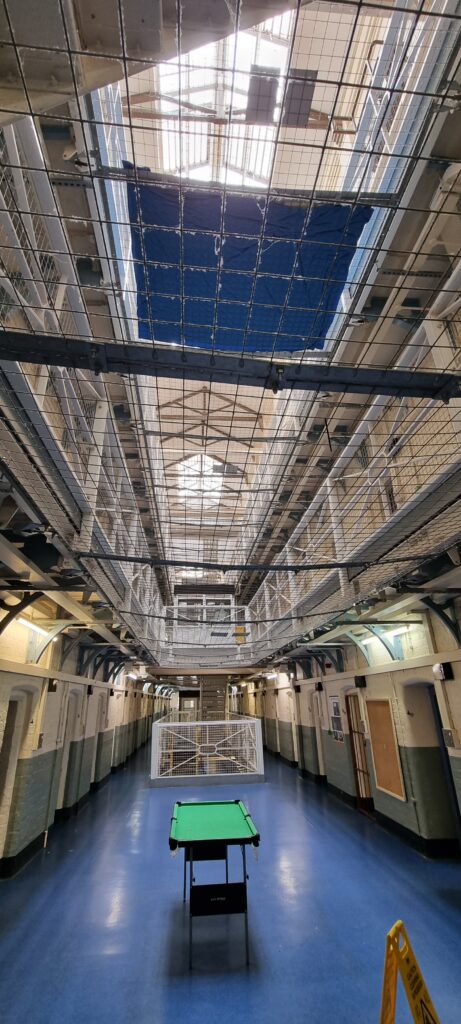
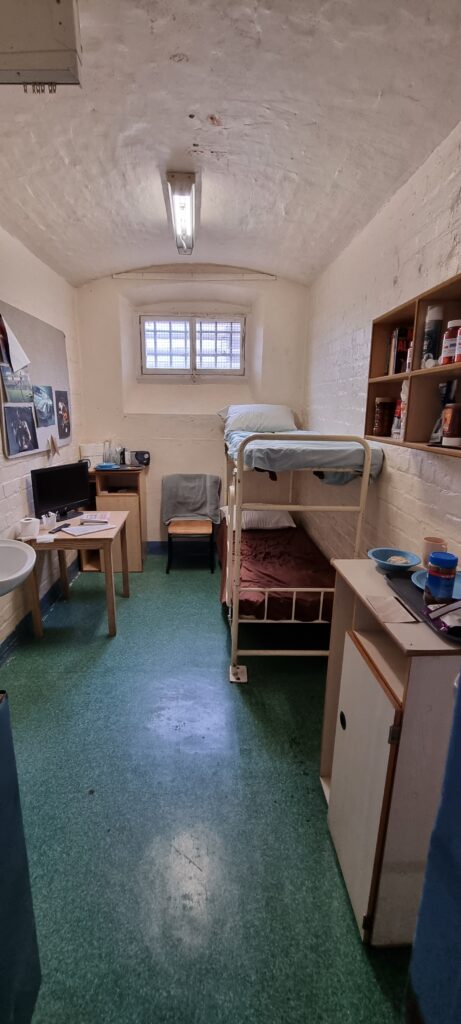
HM Prison Shrewsbury was a category B/C men’s prison in Shrewsbury, Shropshire, England. It was decommissioned in March 2013, and is now open to the public. It is one of the largest and most complete surviving Victorian prisons in Britain, The Victorian prison as seen today sits on top of the original Georgian prison, the remains of which are still accessible underneath the current buildings.
You can have fabulous guided tours. Our guide was brilliant. But there was also plenty of time to wander round on your own. The venue is enormous and lived up to my hopes and expectations. Part of the prison is now an escape room set up which you can book with your family and friends to act out a prison escape.
I arrived in a wheelchair and then completed the visit on crutches as I wasn’t going to be able to see everything in the chair. Not all of the venue is accessible. There is mention of chairlifts on the website, but I decided to struggle a little to gain the freedom to see everything. I am a completist and this was my walking for the day.
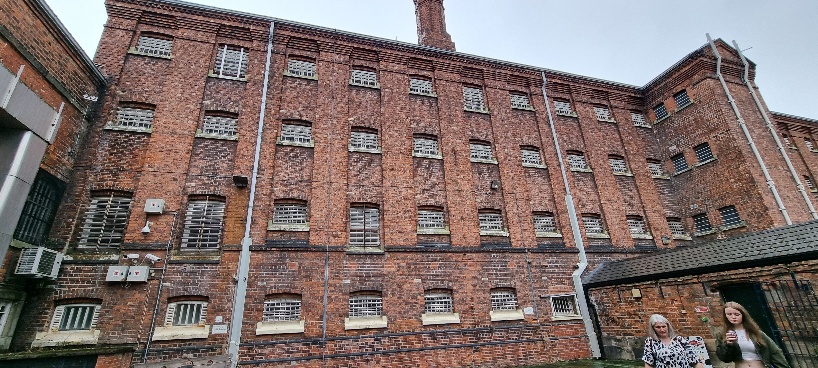
Ludlow- Castle, Museum
This was another place on my list which I really wanted to visit and one day I will. It looks fabulous but I just didn’t have time on this visit. However, if you are visiting Ironbridge for additional days, or if you are coming from the south, rather than the north like me, please go, and let me know what you thought of it. There is the massive 11th-century Ludlow Castle ruins and over 500 listed black-and-white timbered buildings. If I finally get there, I also plan on visiting Stokesay Castle. Look it up. It looks amazing. I always have my next trip in mind.
Google gives these other suggestions for day trips from Ironbridge:
🏰 Historic Towns & Cities
- Bridgnorth (15 mins south / 8 miles): A unique town split into High Town and Low Town. Ride the Bridgenorth Cliff Railway, England’s steepest inland funicular railway, and explore the leaning ruins of Bridgnorth Castle.
🚂 Heritage & Family Attractions
- Severn Valley Railway (Starts in Bridgnorth): Board a historic steam train at Bridgnorth station and take a highly scenic 16-mile trip down the Severn Valley to Kidderminster.
- RAF Museum Midlands (20 mins east at Cosford): A massive, free-to-enter aviation museum. It houses over 70 historic aircraft, interactive flight simulators, and an extensive Cold War exhibition space.
🥾 Nature & Ancient Ruins
- The Wrekin (15 mins north): A prominent hill offering a popular 3.5-mile circular walking trail. Climbing to the summit rewards you with panoramic, 360-degree views across fifteen different counties.
- Church Stretton & The Shropshire Hills (30 mins west): Often nicknamed “Little Switzerland,” this area is a paradise for hikers. Walk the scenic valley of Carding Mill Valley or climb up the wild, heather-covered expanse of the Long Mynd.
- Wroxeter Roman City (15 mins north-west): Walk the remains of what was once the fourth-largest city in Roman Britain, complete wi